
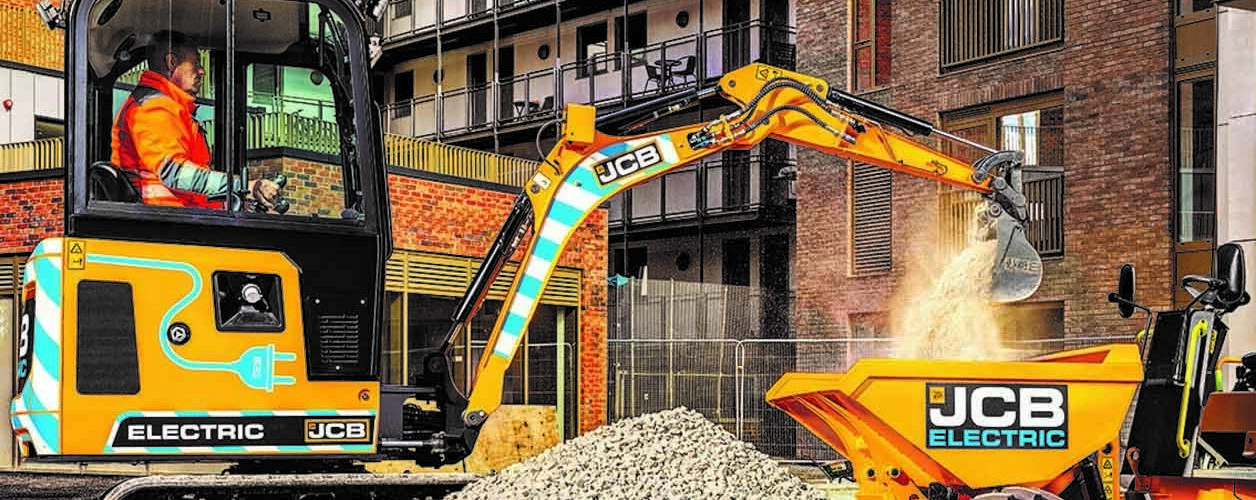
Sites with limited accessibility can be hard to reach if your digging equipment is too large. Narrow gates, nearby walls and neighbouring properties can all make access difficult. If you don’t have the capacity to buy brand-new equipment for a one-off job, hiring a mini digger is a quicker and far more cost-effective option.
In this article, we will provide a guide to compact equipment for smaller sites. We will explain what the category of small diggers includes, how and where to use them and what to consider so you can match the right machine to your job.
Digging Equipment for Limited Accessibility: What Is Included?

The term ‘mini digger’ is often used to refer to any compact excavator, but the category actually encompasses three sizes of machines, each designed for different access constraints. It is important to assess your site before you choose among the available machinery options.
The most common models are:
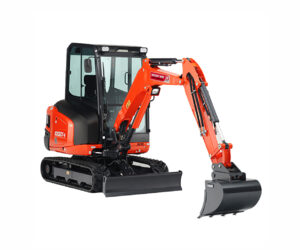
- Micro diggers: the smallest option, usually weighing under a tonne. Some models have retractable tracks, making the machine even smaller to ease access to narrow entrances and openings as narrow as around 70–80cm. This machine size is suitable for small landscaping jobs and indoor work.
- Mini diggers: this category includes machines typically weighing between 1 and 3 tonnes (machines up to 5–6 tonnes can also be found as minis, depending on the brand). Despite their compact size, they are more powerful than micro diggers and can dig deeper. This size is suitable for drainage runs and utility trenches where access is restricted but not extremely tight.
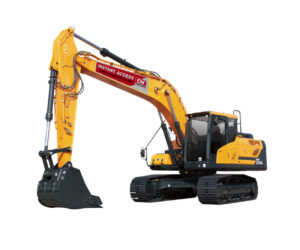
- Midi diggers: the largest machines in the compact range, weighing roughly 5 to 10 tonnes, and they can be used on accessible sites with limited working room.
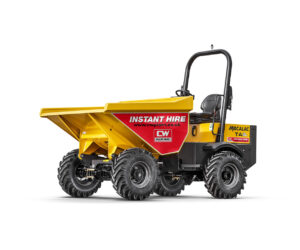
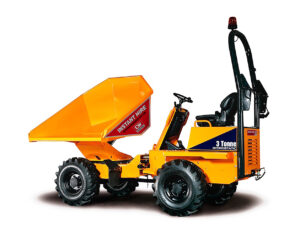
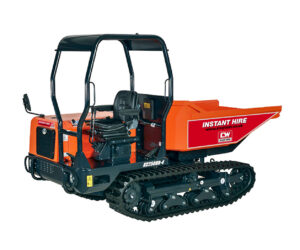
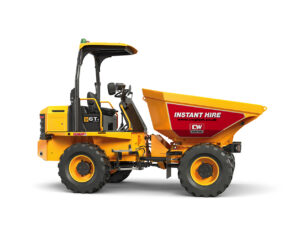
Digging is only half the job, and most projects with limited accessibility also need a way to move heavy objects. Some machines allow attachments for side jobs in addition to the main one. Make sure you have the right support by also considering machines such as tracked and high-tip dumpers.
Where and How to Use Mini Diggers
If the job site does not provide enough space for a full-size digger, a mini digger can carry out much of the same work in a compact form, although with less reach and depth, ensuring easier access. Here’s where and how they usually get the job done.
Where Smaller Digger Sizes Work Best
Front and back gardens are the most common settings. Back gardens, in particular, are often accessed through narrow gates or side passages, and a micro digger with retractable tracks can fit through them and then widen again for stability while working.
If your job site is in the middle of a residential street, a mini digger takes up far less space than a larger machine, helping to reduce disruption to residents and traffic. If you need to dig in a commercial area, you can excavate in depth without compromising parking or pedestrian access.
For indoor projects such as basement digs, internal floor excavations or work inside existing buildings, an electric model avoids the exhaust fumes of a diesel machine and keeps noise down for occupants and neighbours.
What Jobs Are They Best Suited For
Once you have figured out the spaces where this category of diggers is more suitable, let’s look at the jobs they can handle, often just by swapping the attachment:
- Landscaping: levelling ground, digging out ponds, removing old patios and preparing beds or lawns. A grading bucket helps leave a smooth, even finish.
- Trenching: laying water pipes, cables, gas lines and drainage runs. A narrow trenching bucket keeps the dig tidy and reduces the amount of spoil to remove.
- Foundations and footings: digging for extensions, garden walls, garages and outbuildings, where accuracy near existing structures matters.
- Drainage and groundworks: installing soakaways, inspection chambers and French drains on sites with restricted access.
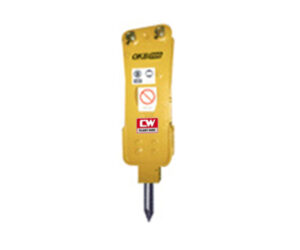
- Demolition and clearance: fitted with a hydraulic breaker, a smaller machine can break up concrete and brickwork, then load the rubble into a dumper.
With a wide range of attachments available, from buckets and breakers to grabs, augers and rippers, a single mini digger can cover several tasks on the same job.
What to Consider Before Hiring a Mini Digger
Before you hire the machine, work through these checks to ensure the job runs smoothly and safely on site and to avoid any mismatch between your site and the machine size. We recommend:
- Measure the width of your access route at its narrowest point.
- Choose the right size for the job; the smallest machine is not always the best choice. A mini digger is more powerful than a micro digger, digs deeper and gets the job done faster.
- Assess the site and choose your attachments. Think about every task, from moving and sorting heavy materials to levelling surfaces and breaking up rock or brickwork and check that the attachments you need are compatible with your machine.
- Check the ground conditions, especially if you intend to use it in residential spaces, on patios, or indoors, where the machine could damage the surface. Consider using a ground protection mat. Assessing the ground is also important for your machine to function correctly. If the ground is too soft, the machine may sink or become unstable.
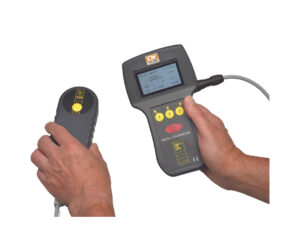
- Check permits and safety guidelines. Before digging, find out where underground services run. Utility plans can be requested through services such as LSBUD (which covers many, but not all, network operators). Use them alongside a cable avoidance tool on site to confirm what’s below ground. If the machine or a dumper will stand on the road or pavement, you may need a licence from your local council.
Finding the Right Digger for Your Site
Working on a site with limited accessibility doesn’t mean compromising on the job. With the right compact machine, you can get through narrow gates, work close to walls and boundaries, and keep disruption to your neighbours to a minimum.
The key is preparation. Measure your access route, match the machine size to the depth and scale of the work, choose your attachments in advance, and check the ground, permits and underground services before digging begins. Getting these details right from the start means fewer delays and a smoother project from delivery to collection.
If you’re ready to start planning your project, explore our range of plant hire. Get in touch with our team for advice or find the nearest depot to your site.